Chain of Custody for Medical Specimens: A Practical Handling Guide
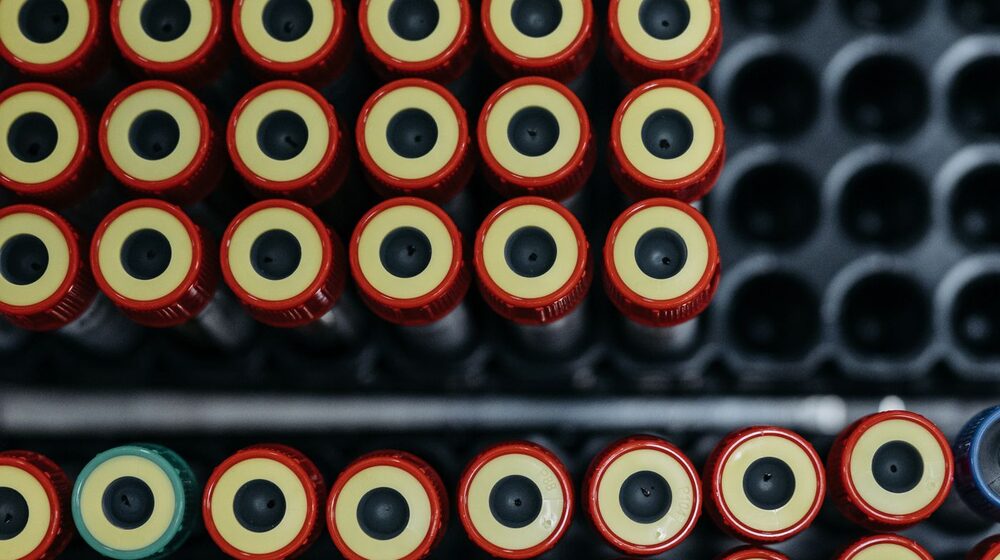
What chain of custody really means for medical couriers and labs — labeling, documentation, tamper-evidence, and clean handoffs that hold up to audits.
Chain of custody is simply an unbroken, documented record of who had a specimen, when, and in what condition — from the moment it leaves the collection site until it reaches the lab. When it's tight, results are defensible and rework is rare. When it's loose, a single unlabeled tube can invalidate a result or a legal case.
Label before you move anything
The label is the specimen's identity. Confirm it at the source, not in the vehicle.
- Two patient identifiers on every container (e.g., name and date of birth or MRN).
- Collection date and time.
- Specimen type and any special handling (light-sensitive, frozen, STAT).
- A requisition that matches the label exactly — mismatches are the #1 cause of rejection.
Never rely on memory or a loose sticky note. If a label is smudged or ambiguous, fix it at the collection site before the specimen enters transport.
Document every transfer of hands
Each time custody changes, capture it. A modern courier platform timestamps this automatically, but the discipline matters more than the tool:
- Pickup: who released it, who received it, date/time, and specimen count.
- Transport: sealed container, driver identified, GPS-tracked route.
- Delivery: who accepted it at the lab, date/time, and condition on arrival.
Use tamper-evident sealing
For sensitive or forensic samples, a tamper-evident bag or seal turns "we think it was fine" into "we can prove it was untouched." Record the seal number on the manifest and verify it's intact at delivery.
Keep the specimen in spec during custody
Custody and condition go together. A perfectly documented specimen that arrived warm is still a rejected specimen. Pair your custody log with temperature handling (see our cold-chain guide) so both the who and the how are covered.
Handle exceptions on the record, not off it
Delays, wrong addresses, and refused deliveries happen. The difference between a minor hiccup and a compliance problem is whether the exception was documented and communicated in real time.
- Record the reason and time of any delay or failed delivery.
- Notify the origin and destination immediately so someone can decide next steps.
- Never quietly re-attempt a temperature-sensitive delivery without confirming the specimen is still viable.
What good looks like
A clean chain of custody means anyone can reconstruct a shipment's full history in minutes: labeled correctly, sealed, tracked, handed off to named people at both ends, and delivered in condition — all on one record. Ready247 builds this into every medical run with timestamped pickup, transit, and delivery events plus proof-of-delivery capture, so your lab spends less time chasing paperwork and more time on results.
Ready to move it the right way?
Request an on-demand or scheduled medical pickup across Greater Boston.
Related articles
Cold-Chain Courier Best Practices: Keeping Medical Shipments at 2–8°C
A practical guide to cold-chain medical delivery — how to pack, log, and hand off temperature-sensitive specimens and pharmaceuticals so they arrive in spec, every time.

How to Place a Medical Courier Order the Right Way (and Avoid Failed Deliveries)
A checklist for anyone requesting a medical pickup — the details that prevent delays, redeliveries, and rejected specimens before the driver is even dispatched.

How to Choose a Medical Courier: A Manager's Buyer Guide
The compliance questions, service-level checks, and red flags every operations or practice manager should evaluate before signing with a medical courier.