Cold-Chain Courier Best Practices: Keeping Medical Shipments at 2–8°C
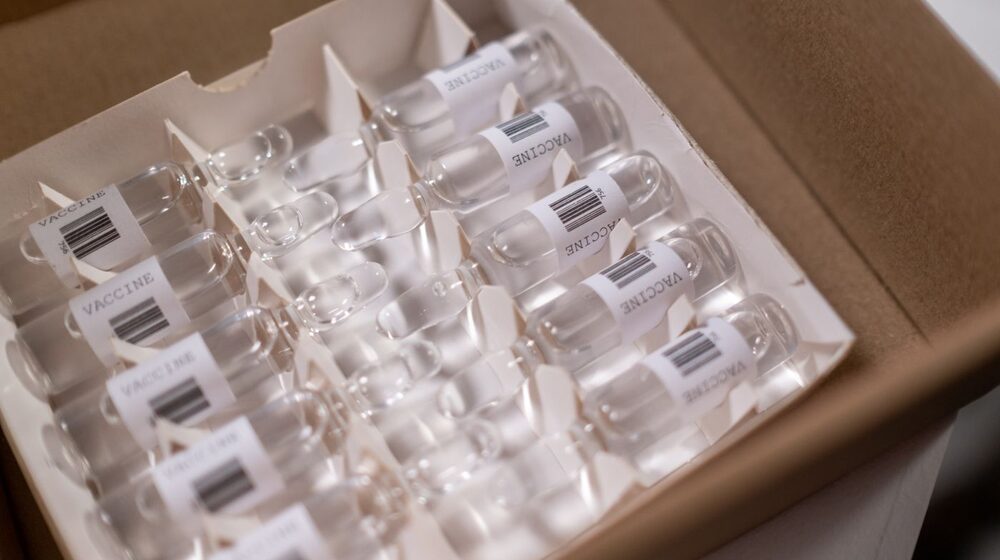
A practical guide to cold-chain medical delivery — how to pack, log, and hand off temperature-sensitive specimens and pharmaceuticals so they arrive in spec, every time.
Cold-chain failures are expensive and often invisible until it's too late — a vaccine loses potency, a specimen is rejected by the lab, a specialty drug has to be re-ordered. The good news is that the vast majority of excursions are preventable with a few disciplined habits at pickup and handoff. This guide covers what a requester or operations manager should do before the driver ever arrives.
Know your temperature range before you pack
"Cold-chain" is not one temperature. Confirm the exact range the product requires and write it on the order, because packing differs for each:
- Refrigerated (2–8°C): most vaccines, many biologics, and diagnostic specimens.
- Frozen (−20°C): some plasma products and reagents.
- Ultra-low (−70°C or below): certain mRNA vaccines and research samples.
- Controlled room temperature (15–25°C): many pharmaceuticals that must not freeze.
If a product must not freeze, say so explicitly. Overpacking with gel ice can push a 2–8°C item below zero just as easily as heat can push it too high.
Pack for the trip length, not the best case
Validated packaging is rated for a certain number of hours. Pack for a realistic worst case — traffic, a missed handoff, a second stop — not the fastest possible run.
- Use a validated cooler or qualified shipper, not a household lunch box.
- Condition your gel packs correctly (refrigerated, not straight from the freezer, for 2–8°C loads).
- Add a barrier layer so product never touches the coolant directly.
- Fill empty space with insulation so the payload isn't rattling in a large air pocket.
Log the temperature — and make it defensible
If it isn't recorded, it didn't happen, as far as an auditor or a receiving lab is concerned. A data logger placed with the payload gives you a continuous record from pickup to delivery.
- Place a logger inside the shipper next to the payload before sealing.
- Note the start time and the target range on the order.
- On delivery, capture the reading and attach it to the proof of delivery.
- Flag any excursion immediately so the receiver can decide whether to quarantine.
Nail the handoff at both ends
Most excursions happen during waiting — a sealed cooler left on a loading dock, or a driver who arrives before the receiving desk is ready. Tighten the handoff:
- Give the driver a named contact and a direct number at pickup and drop-off.
- Confirm the receiving location can accept and immediately store the item.
- Keep the shipper sealed until it's in the receiver's hands.
- For after-hours delivery, arrange refrigerated drop-off in advance — never leave cold-chain product unattended.
Choose a courier that treats cold-chain as a system
Ad-hoc drivers with a personal cooler are a risk. Look for a partner that logs temperature, trains drivers on cold-chain handling, and can prove chain-of-custody on every leg. Ready247 provides 2–8°C-capable transport with temperature logging and an append-only custody trail so your team — and your auditors — can see exactly what happened to each shipment.
Getting cold-chain right is mostly discipline, not luck. Standardize your packing, log every trip, and make the handoff deliberate, and rejected shipments become rare exceptions instead of a recurring cost.
Ready to move it the right way?
Request an on-demand or scheduled medical pickup across Greater Boston.
Related articles
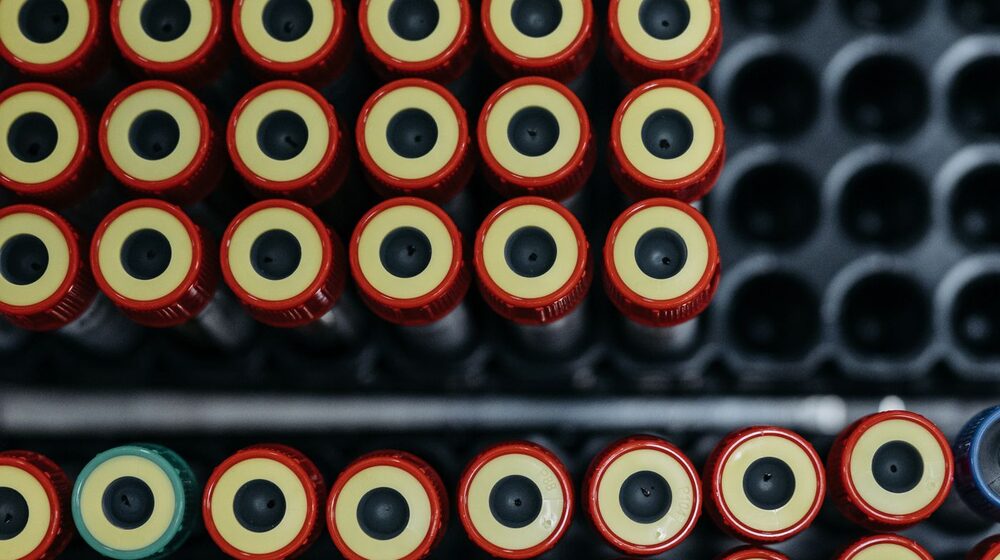
Chain of Custody for Medical Specimens: A Practical Handling Guide
What chain of custody really means for medical couriers and labs — labeling, documentation, tamper-evidence, and clean handoffs that hold up to audits.

How to Place a Medical Courier Order the Right Way (and Avoid Failed Deliveries)
A checklist for anyone requesting a medical pickup — the details that prevent delays, redeliveries, and rejected specimens before the driver is even dispatched.

How to Choose a Medical Courier: A Manager's Buyer Guide
The compliance questions, service-level checks, and red flags every operations or practice manager should evaluate before signing with a medical courier.