How to Reduce Failed & Redelivered Medical Shipments
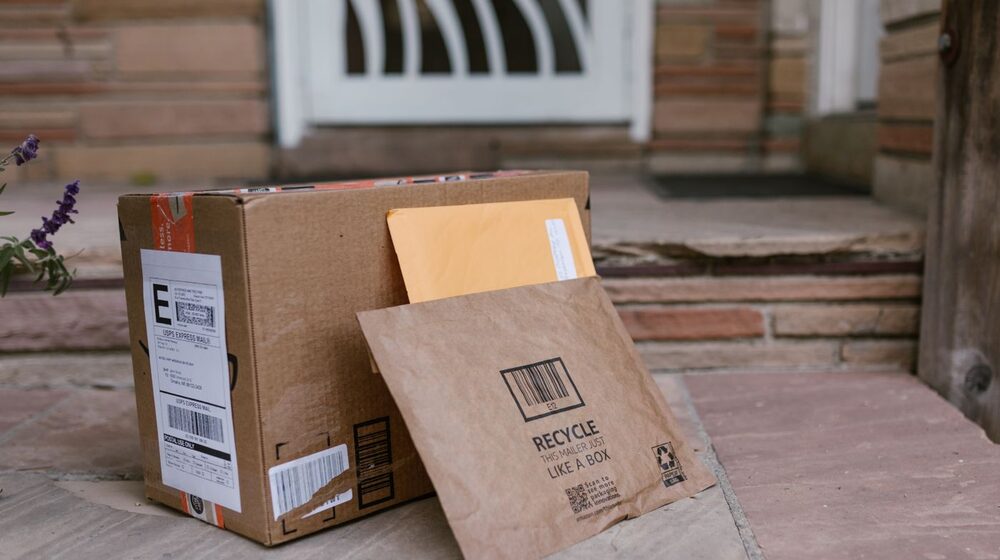
Failed deliveries cost time, money, and sometimes a specimen. Here are the most common causes — and the practical fixes that cut redeliveries close to zero.
A failed delivery is rarely bad luck. It's almost always a missing detail that was knowable at booking — a wrong suite, no one to receive, a closed dock, a pickup scheduled before the item was ready. Each one burns a driver's trip and can put a temperature-sensitive shipment at risk. Here's where failures come from and how to stop them.
The usual culprits
- Incomplete addresses — no suite, floor, department, or entrance in a large hospital complex.
- No reachable contact — a main line instead of a direct mobile wastes the driver's window.
- Receiver not ready — no one available to accept, or the dock/desk is closed.
- Access barriers — locked entrances, gate codes, or badge-only areas not noted.
- Timing misses — pickup booked before the item is ready, or a drop after the receiving cutoff.
One fix prevents more failures than any other: a named contact with a direct mobile number at both ends. Put it on every order.
Fix it at the order, not on the road
Most of these are solved before dispatch. Our guide to placing an order the right way is the full checklist; the essentials:
- Exact pickup and drop-off addresses with suite/department and the correct entrance.
- Verify the address format — a quick check against the USPS ZIP Code lookup catches typos before a driver is dispatched.
- Book the pickup for when the item is genuinely ready, inside the receiver's hours.
- Flag special handling and confirm the receiver can accept and store it on arrival.
Protect the shipment when a drop can't happen
Sometimes a delivery genuinely can't complete — and that's exactly when a temperature-sensitive or custody-controlled item is most at risk. Never leave cold-chain product on a dock (see the cold-chain guide), and never re-attempt a sensitive delivery without confirming the item is still viable. Handle every exception on the record, with origin and destination notified in real time, so the chain of custody stays intact.
Measure it
What gets measured gets fixed. Track your successful-delivery and exception rates and look for patterns — one site that's always closed at 5, one requester who books early pickups. A courier that reports these numbers (and whose platform captures proof of delivery on every drop) turns failed deliveries from a recurring mystery into a short, shrinking list.
Ready247 captures requester and receiver details, live tracking, and proof of delivery on every run across Greater Boston — so the causes of failed deliveries are visible and fixable, not repeated.
Ready to move it the right way?
Request an on-demand or scheduled medical pickup across Greater Boston.
Related articles
STAT & Time-Critical Medical Deliveries: How Urgent Transport Works
What "STAT" really means for a medical courier — how urgent, time-critical deliveries are dispatched, tracked, and handed off so time-sensitive specimens and meds arrive in the window that matters.
Transporting Controlled Substances: What a Compliant Courier Looks Like
Moving Schedule II–V medications isn't ordinary delivery. Here's what managers should know about DEA authorization, custody, security, and the documentation a compliant controlled-substance courier maintains.
Cold-Chain Courier Best Practices: Keeping Medical Shipments at 2–8°C
A practical guide to cold-chain medical delivery — how to pack, log, and hand off temperature-sensitive specimens and pharmaceuticals so they arrive in spec, every time.