STAT & Time-Critical Medical Deliveries: How Urgent Transport Works
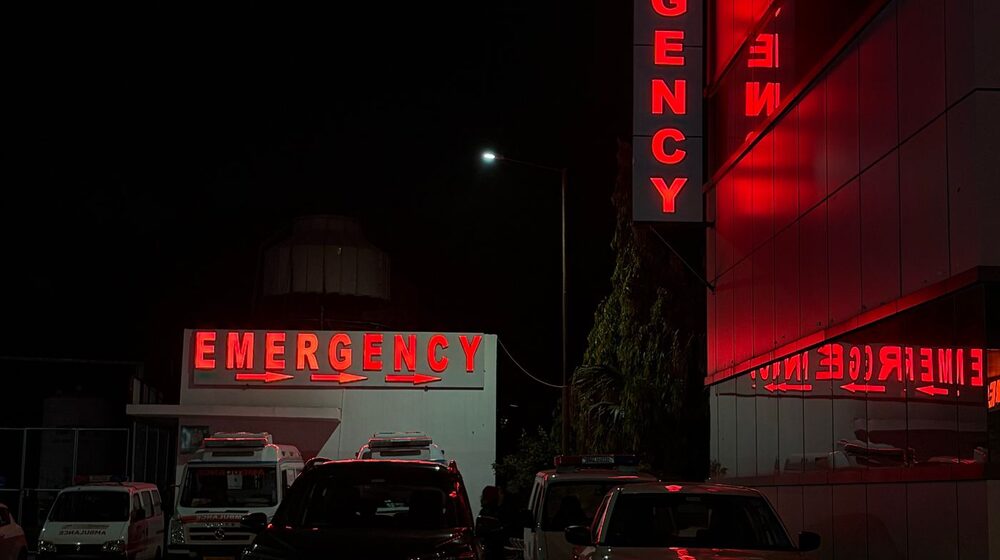
What "STAT" really means for a medical courier — how urgent, time-critical deliveries are dispatched, tracked, and handed off so time-sensitive specimens and meds arrive in the window that matters.
When a clinician writes "STAT," minutes matter — a specimen with a short stability window, a medication a patient is waiting on, a reagent a lab needs to run a time-sensitive assay. A STAT courier run is a different animal from a scheduled route: dispatched immediately, routed directly, tracked end to end. Here's how urgent medical transport actually works, and how to request it so nothing is lost to the clock.
STAT vs. on-demand vs. scheduled
These terms get used loosely, so align on them before you book:
- STAT / urgent: dispatched right away and driven point-to-point with no other stops. Use when a delay changes the outcome.
- On-demand: same-day pickup soon, but the driver may batch nearby stops. Fast, not life-or-death.
- Scheduled / routed: recurring runs at set times (e.g., a daily lab circuit). Efficient for predictable volume.
Say the word STAT explicitly when you book. It changes how the job is dispatched — the nearest available driver is assigned and sent directly, not slotted into a route.
The clock starts before the driver arrives
Most time lost on a STAT run isn't on the road — it's at the ends. Have the item packed, labeled, and physically ready at a known pickup point, with a named contact who can hand it off the moment the driver walks in. Every minute the driver waits at the desk is a minute off the stability window.
Match the handling to the payload
Urgent doesn't cancel out the other requirements — it stacks on top of them. A STAT specimen is often still temperature-sensitive and still needs documentation:
- Confirm the temperature range and pack accordingly (see our cold-chain guide) — speed is no excuse for an excursion.
- Keep the chain of custody intact even under time pressure.
- Many urgent diagnostic specimens are Category B infectious substances (UN 3373) and must be packaged to that standard.
Track it in real time
For a STAT run you shouldn't be calling for status — you should be able to see it. Live GPS tracking and an ETA let the receiving lab or pharmacy prepare to accept the item the instant it lands, and proof of delivery closes the loop with a timestamp you can defend.
Build a STAT playbook before you need it
The organizations that handle urgent transport best don't improvise. They agree in advance on a dedicated contact, a 24/7 phone path, expected response times, and what happens on an exception. If you're evaluating providers, make STAT response part of the test — our buyer's guide covers the questions to ask.
Ready247 dispatches STAT runs 24/7 across Greater Boston — nearest driver, direct route, live tracking, and proof of delivery — with cold-chain and chain-of-custody handling built in. When minutes matter, the process is already in place.
Ready to move it the right way?
Request an on-demand or scheduled medical pickup across Greater Boston.
Related articles
Transporting Controlled Substances: What a Compliant Courier Looks Like
Moving Schedule II–V medications isn't ordinary delivery. Here's what managers should know about DEA authorization, custody, security, and the documentation a compliant controlled-substance courier maintains.

How to Reduce Failed & Redelivered Medical Shipments
Failed deliveries cost time, money, and sometimes a specimen. Here are the most common causes — and the practical fixes that cut redeliveries close to zero.
Cold-Chain Courier Best Practices: Keeping Medical Shipments at 2–8°C
A practical guide to cold-chain medical delivery — how to pack, log, and hand off temperature-sensitive specimens and pharmaceuticals so they arrive in spec, every time.